

14 Days Ultimate Birding Expedition in Tanzania
Upon arrival at Kilimanjaro International Airport, you will be warmly welcomed by your professional birding guide and transferred to a bird-friendly lodge near Arusha city. Depending on your flight schedule, enjoy your first introduction to Tanzania’s avifauna with a leisurely birding walk in the lodge grounds and nearby gardens. Possible sightings include Taveta Golden Weaver, African Palm Swift, White-browed Coucal, and Variable Sunbird.
Overnight: Njiro Climax
Meal Plan: Dinner
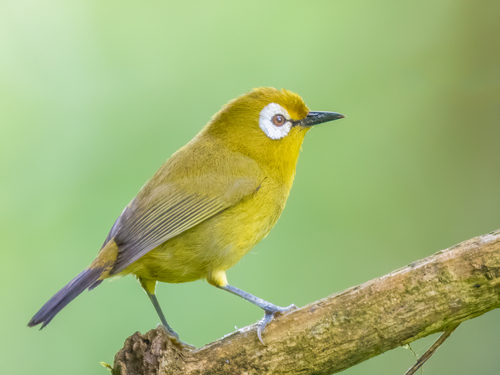
After breakfast, set out for Arusha National Park, a gem of contrasts despite being one of the smallest parks in northern Tanzania. Its mosaic of montane forest, swamps, open plains, lakes, and highlands provides sanctuary to a stunning range of bird species. Search for endemic and localized specialties such as the Broad-ringed White-eye, Taveta Weaver, Sentinel Lark, Maccoa Duck, and Kenrick’s Starling.
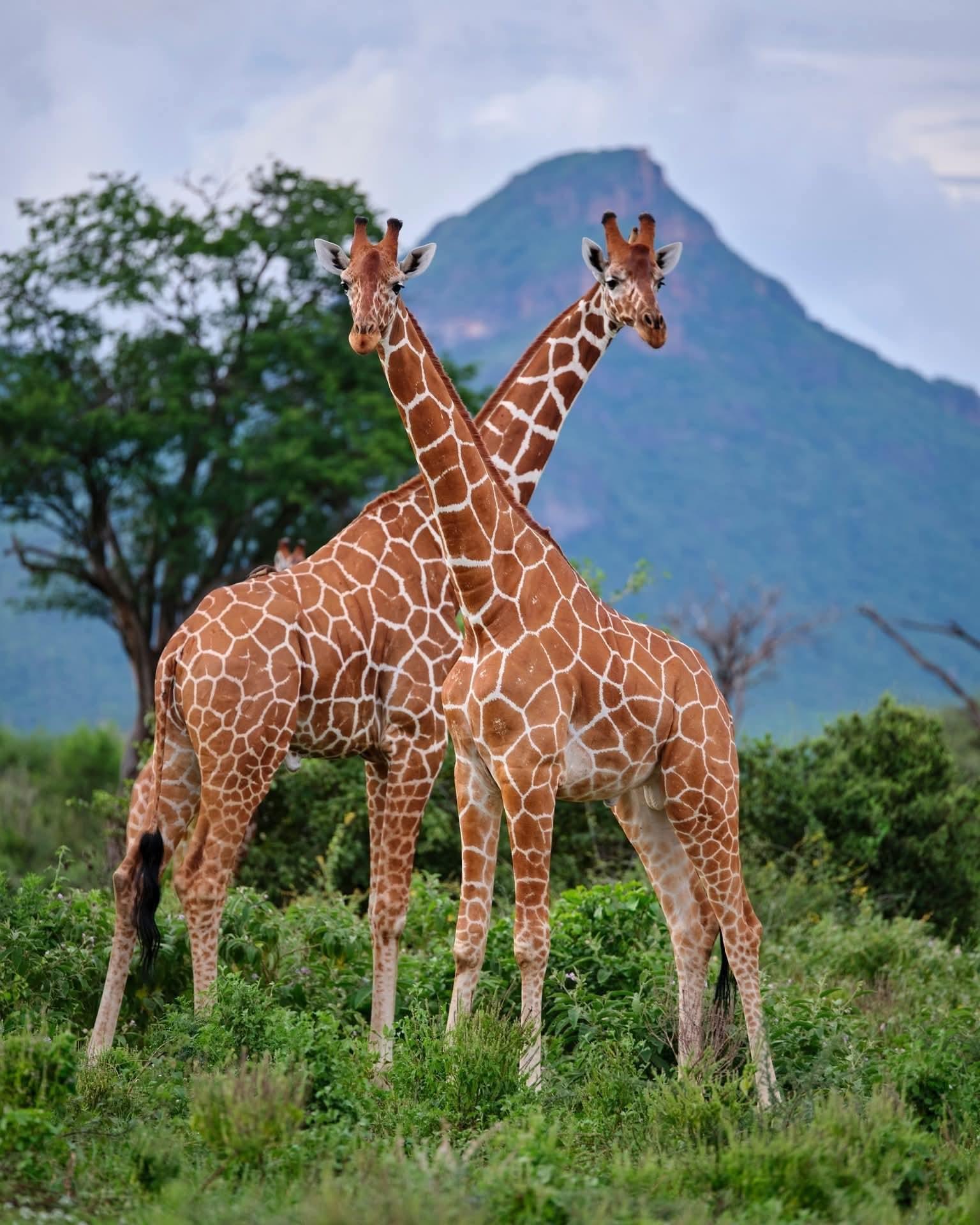
Along the forest trails, listen for the haunting calls of Narina and Bar-tailed Trogons, while the montane canopy reveals flocks of parrots and starlings. Mammal encounters include Cape Buffalo, giraffe, bushbuck, baboon, and the endemic Kilimanjaro Guereza colobus monkey. A magical day blending birding with rich biodiversity.
Overnight: Njiro Climax
Meal Plan: Breakfast, Lunch, Dinner
With picnic lunches packed, depart early and drive across the Great Rift Valley escarpment towards the world-famous Serengeti National Park. Birding stops along the way may reveal species of the savanna, such as Augur Buzzard, Lilac-breasted Roller, and Red-chested Cuckoo.
By late evening, you will arrive in Central Serengeti, where the vast plains stretch endlessly into the horizon. Settle into your lodge/camp under a starlit African sky.
Overnight: The African Kongoni Safari Camp
Meal Plan: Breakfast, Lunch, Dinner
Wake up to the golden light of the Serengeti plains and embark on an exhilarating morning game drive, combining birding and wildlife spotting. Today, the vast savannahs and rocky kopjes provide opportunities to see Tanzania Red-billed Hornbill, Grey-breasted Spurfowl, Usambiro Barbet, Hildebrandt’s Starling, Karamoja Apalis, and many other avian gems.
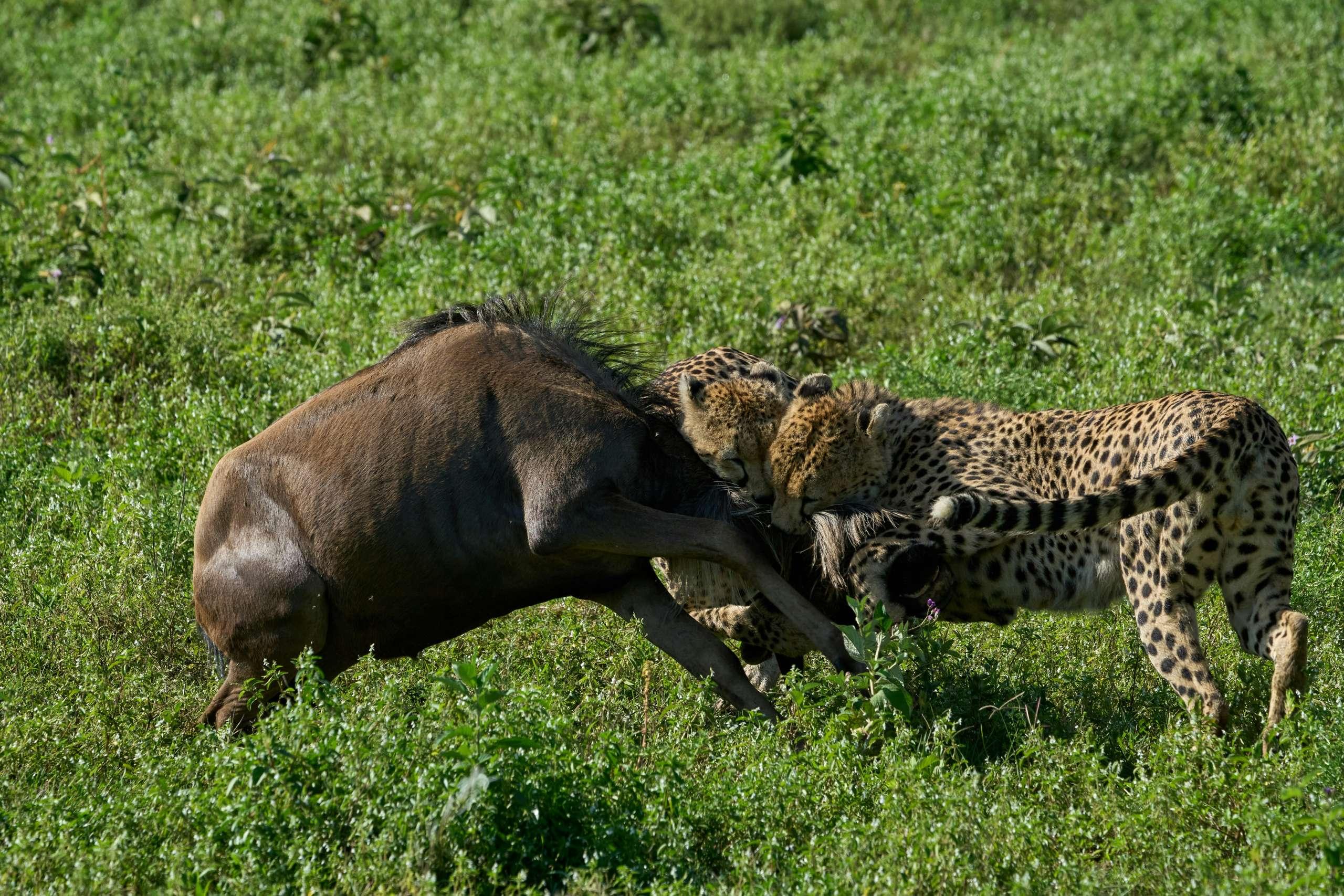
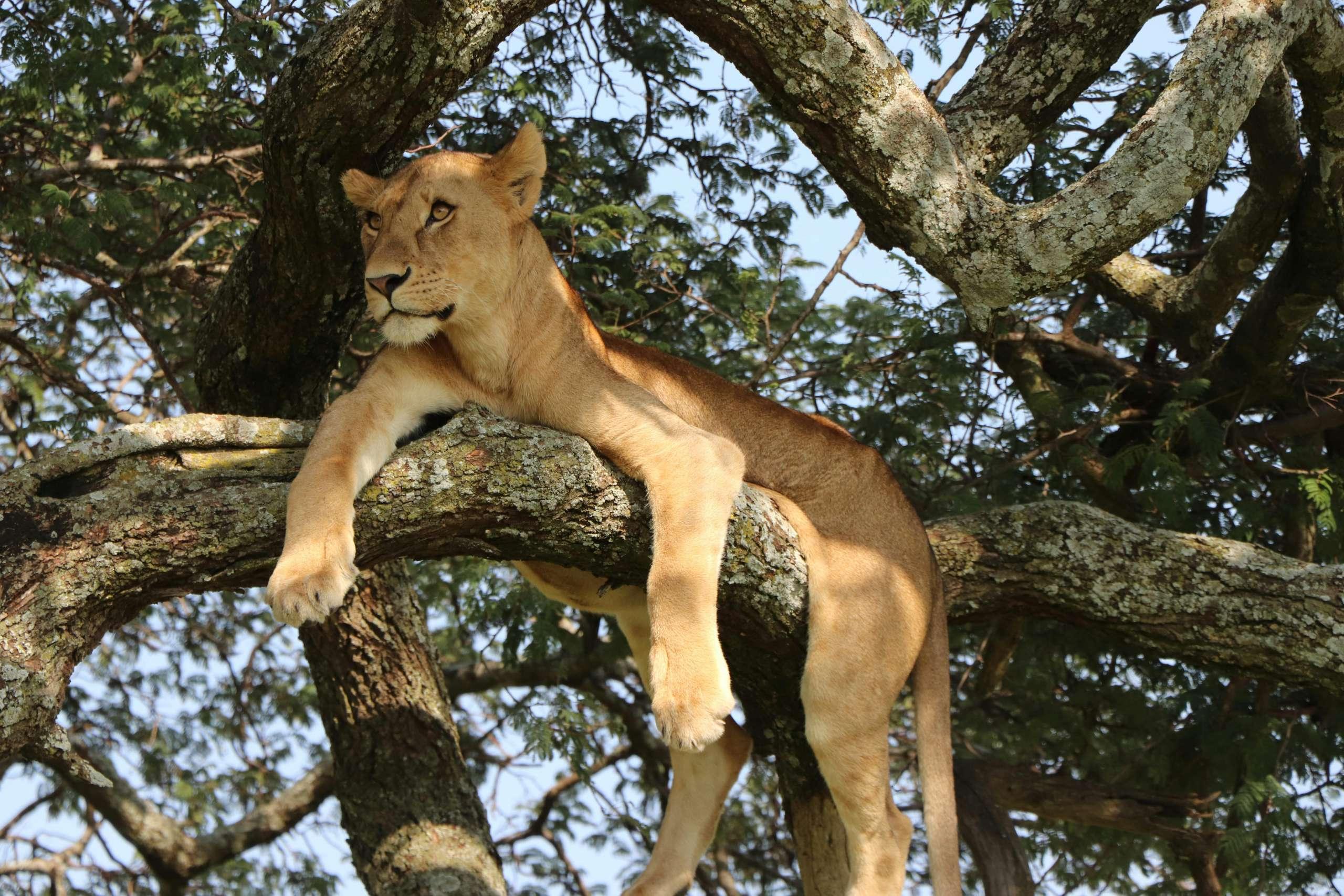
Keep your binoculars handy and ears alert for the laughing call of the Eastern Plantain-eater and the melodious duet of Black-headed Gonoleks. Meanwhile, the Serengeti’s rich mammal life offers dramatic encounters: lions lazing in the sun, cheetahs on the hunt, and herds of wildebeest and zebra grazing peacefully. A picnic lunch is served in the wild, allowing you to immerse yourself in the serenity of the plains.
Return to The African Kongoni Safari Camp for a relaxing afternoon, enjoying the sunset over the savannah. Dinner is served under a canopy of stars, accompanied by the distant sounds of the Serengeti at night.
Overnight: The African Kongoni Safari Camp
Meal Plan: Breakfast, Lunch, Dinner
After an early breakfast, venture out for a full day of Serengeti exploration. This day focuses on areas you may have missed yesterday, with the goal of finding more avian specialties such as the White-tailed, Flappet, Singing, and Melodious Larks, Swahili Sparrow, Red-headed Quelea, and Bailon’s Crakes.
Game drives continue across the endless plains, with sightings of elephants, giraffes, and predators in action, making this an unforgettable wildlife experience. Midday, enjoy a picnic in the bush, soaking in the sounds and sights of this iconic ecosystem. The afternoon offers another chance to explore bird-rich acacia woodlands, hippo pools, and the legendary kopjes for leopards and other elusive species.
Return to The African Kongoni Safari Camp for dinner and relaxation, sharing stories of the day’s discoveries.
Overnight: The African Kongoni Safari Camp
Meal Plan: Breakfast, Lunch, Dinner
After an early morning birding walk in Central Serengeti, return for a hot lunch before continuing towards Ndutu in the Ngorongoro Conservation Area. The transition from open plains to acacia woodlands offers a chance to pick up different bird species along the way. Arrive by evening in the Ndutu region, famed for its seasonal gatherings of wildlife and birds.
Overnight: Kontiki Ndutu Camp
Meal Plan: Breakfast, Lunch, Dinner
Spend a full day exploring the Ndutu plains, a seasonal haven for both wildlife and birdlife. Look for Short-tailed Lark, Harlequin Quail, Chestnut-bellied Sandgrouse, Fischer’s Lovebird, Pearl-spotted Owlet, and Gabar Goshawk.
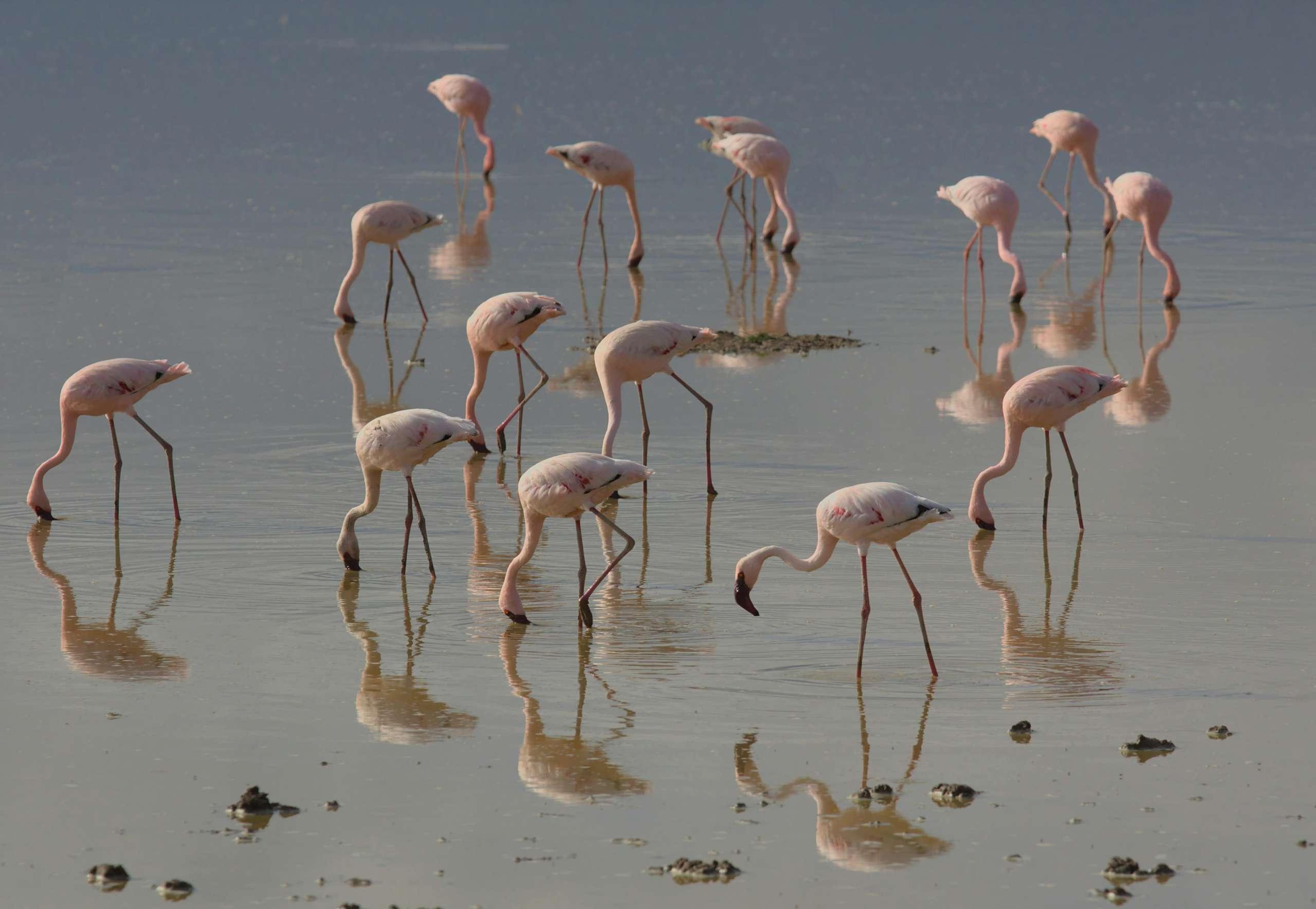
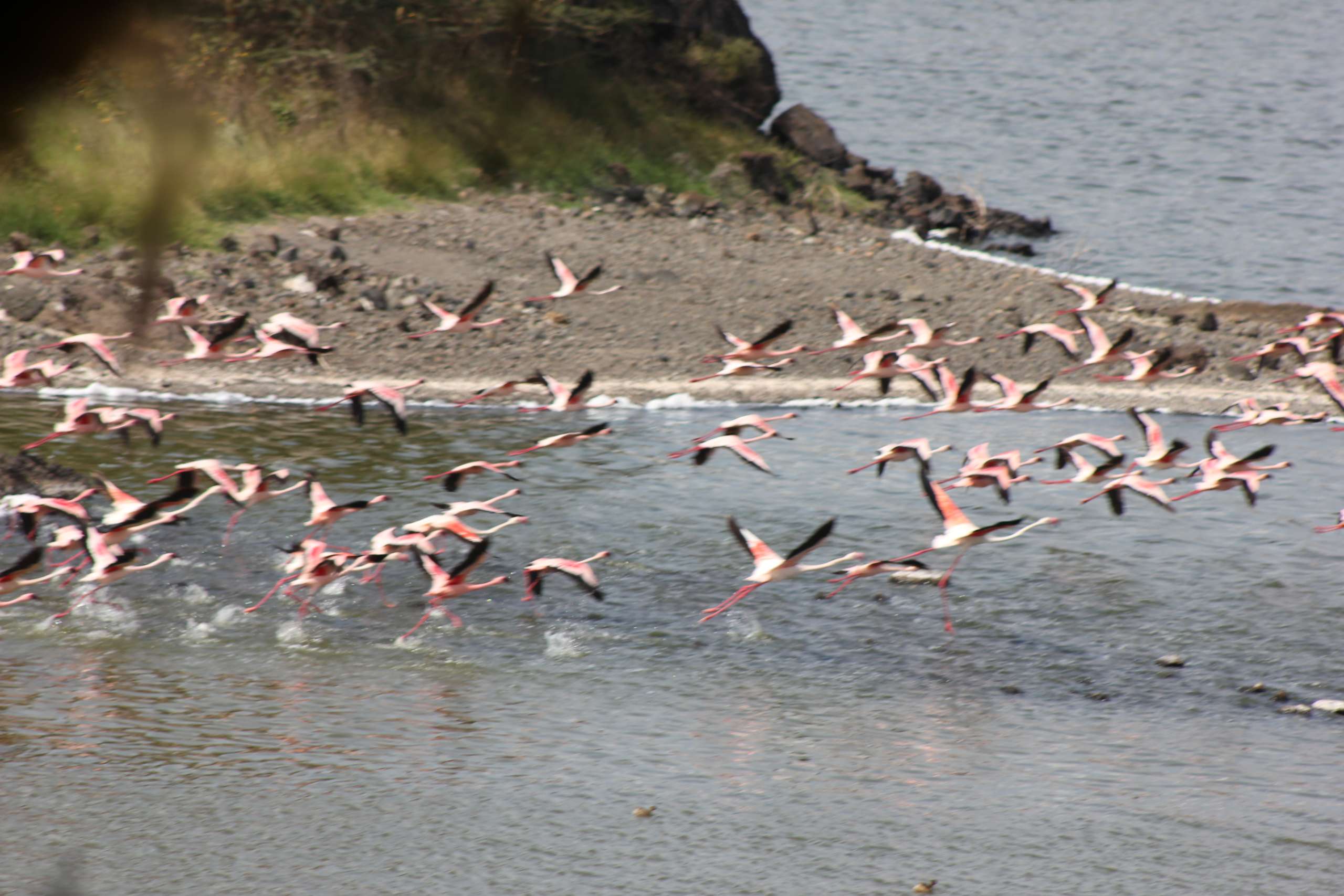
Ndutu’s lakes attract flamingos, waders, and raptors circling above. If traveling between December and March, the calving season provides incredible predator-prey drama with thousands of wildebeest and zebra.
Overnight: Kontiki Ndutu Camp
Meal Plan: Breakfast, Lunch, Dinner
Descend into the iconic Ngorongoro Crater, often described as the “Eighth Wonder of the World.” On the rim, search for Lynes’s Cisticola, Jackson’s Widowbird, and Anteater Chat, while on the crater floor keep watch for African Quailfinch, Blue-billed Teal, Caspian Plover, and Lesser Flamingo.
Alongside the birds, this is prime habitat for the Big Five, including the rare Black Rhino. Enjoy a picnic lunch by the hippo pool with breathtaking views all around.
Overnight: Kankari Lodge in Karatu (Ngorongoro Highlands)
Meal Plan: Breakfast, Lunch, Dinner
Begin the day with an exploration of the Endoro Cave Trail on the lush slopes of the Ngorongoro Highlands. The trail winds through montane forest where the dense canopy is alive with birdsong. Key targets include Hunter’s Cisticola, Schalow’s Turaco, Grey-headed Sunbird, African Broadbill, and Tacazze Sunbird. The walk also offers a chance to spot forest mammals such as bushbuck or blue monkeys.
After a rewarding morning of birding, return for lunch and relaxation at your lodge. The afternoon can be spent at leisure either resting in the serene gardens or taking a short stroll around Karatu town to experience the local atmosphere. Dinner and overnight will be in Karatu, preparing for your upcoming journey to Tarangire the following day.
Overnight: Kankari Lodge
Meal Plan: Breakfast, Lunch, Dinner
After breakfast in Karatu, depart for Tarangire National Park, a scenic drive that takes you through the fertile highlands before descending into the drier savanna dotted with towering baobab trees. Arrive at the park by late morning and enjoy a picnic or lodge lunch.
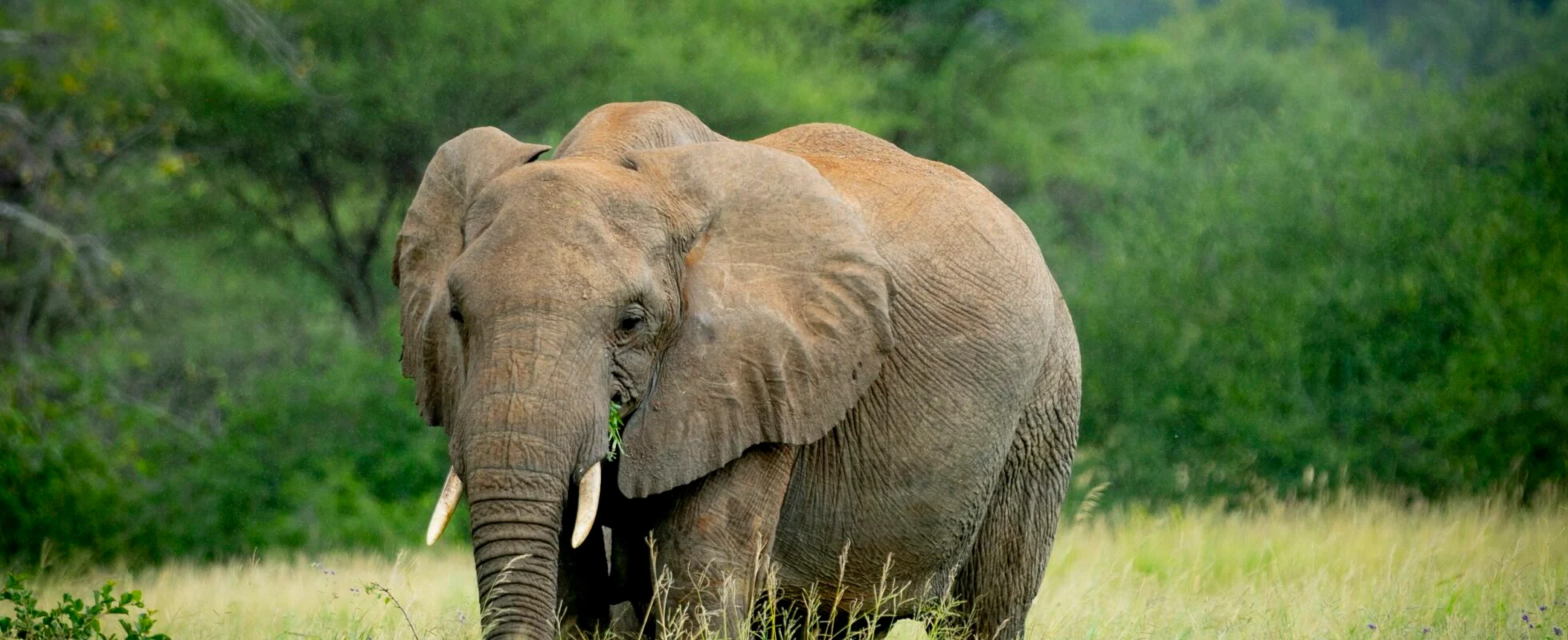
In the afternoon, embark on your first game drive in Tarangire. The park is home to one of Tanzania’s largest elephant populations, and herds are often seen moving gracefully between ancient baobabs. Birding highlights include Ashy Starling, endemic to northern Tanzania, and the vibrant Yellow-collared Lovebird. You may also spot raptors soaring above the plains, hornbills perched on acacia trees, and colorful bee-eaters hawking insects’ midair.
Return to your lodge in the evening to relax and enjoy dinner under the starry African sky.
Overnight: Tarangire Baobab Tented Camp
Meal Plan: Breakfast, Lunch, Dinner
Spend the entire day exploring Tarangire’s diverse habitats from riverine forest and open savanna to seasonal swamps that attract a wealth of wildlife. Early morning is ideal for spotting Hartlaub’s Bustard striding across the grasslands, while the woodlands may reveal Von der Decken’s Hornbill, Red-necked Spurfowl, and even the elusive Böhm’s Spinetail gliding near rocky outcrops.
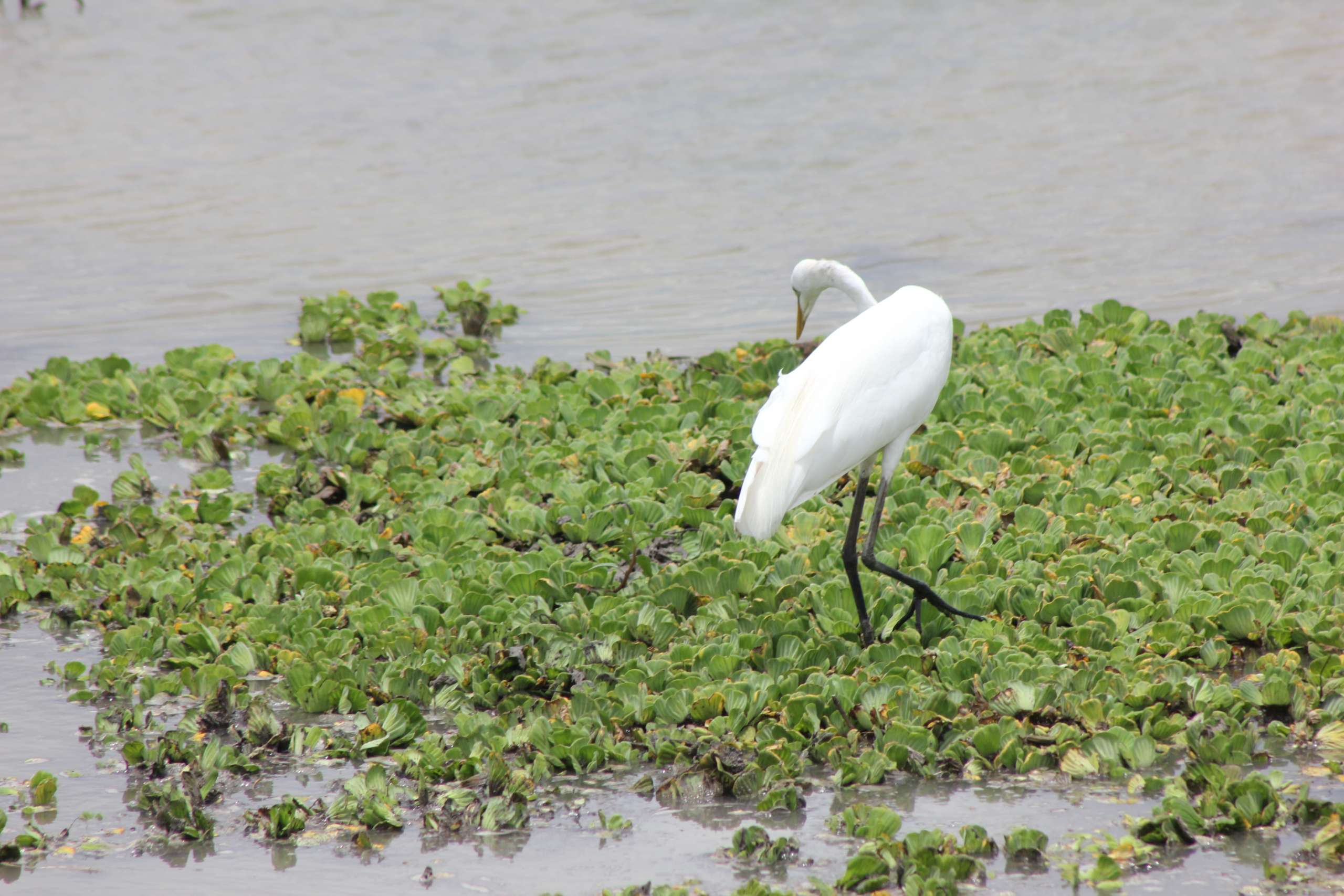
The Tarangire River acts as a lifeline for countless species, drawing elephants, giraffes, zebras, and buffalo, while flocks of waterbirds such as storks, herons, and plovers gather along the shallows. Raptors like Bateleur Eagles and Martial Eagles keep a watchful eye from above, making this a paradise for both birders and photographers.
After a picnic lunch in the park, continue birding in the marsh areas, where migrant warblers may be encountered during the right season. In the late afternoon, return to your lodge for relaxation and a final dinner in Tarangire.
Overnight Tarangire Baobab Tented Camp.
Meal Plan: Breakfast, Lunch, Dinner
Begin the day with an early morning birding walk and game drive in Tarangire, when the park is most alive with activity. Look for species you may have missed earlier such as the African Scops Owl, White-bellied Go-away-bird, and flocks of brightly colored bee-eaters swooping over the riverbanks. Elephants are often seen in the soft morning light, and this is also a prime time to encounter antelopes grazing quietly before the day heats up.
After a rewarding morning, return to the lodge for breakfast, then check out and begin your journey back to Arusha. The drive takes you through Maasai country and the rolling landscapes of northern Tanzania, with opportunities for scenic stops along the way. Arrive in Arusha by late afternoon or evening, where you will check in at your lodge and relax after your adventure.
Overnight: Njiro Climax
Meal Plan: Breakfast, Lunch, Dinner
After an early breakfast, set out towards the expansive Engikaret Lark Plains, a stark yet beautiful semi-arid landscape north of Arusha. This area is world-famous as the only reliable site for the critically endangered Beesley’s Lark, a true highlight for birders. With patience and guidance from your birding expert, you’ll search for this extremely localized species alongside other dry-country specialists such as Foxy Lark, Athi Short-toed Lark, and Fischer’s Starling.
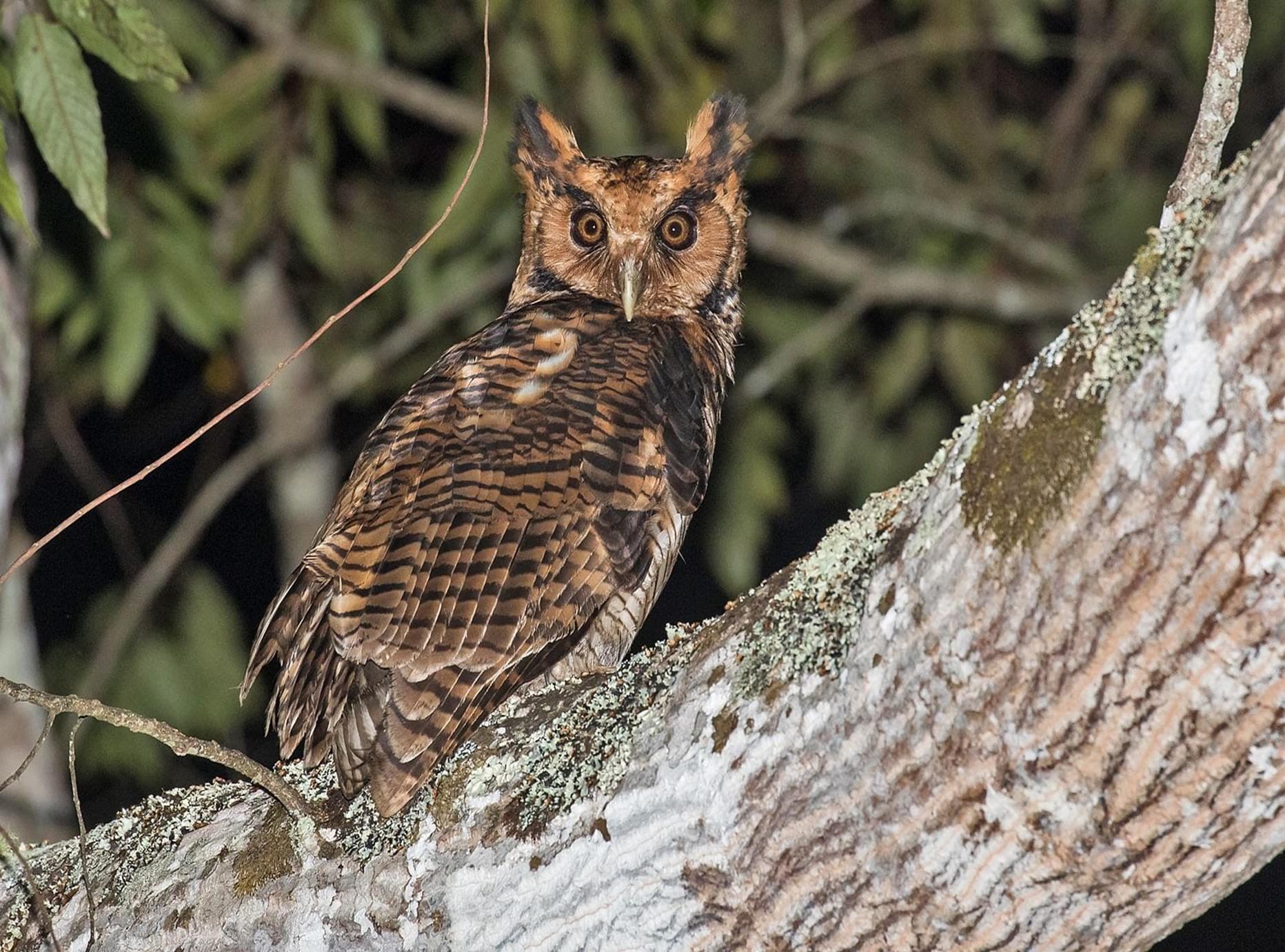
The open plains are also excellent for raptors; keep watch for Eastern Chanting Goshawk, Martial Eagle, Pallid Harrier, and Secretary Bird striding gracefully through the grass. In the rocky outcrops and bushland bordering the plains, you may also encounter Bare-eyed Thrush, Spotted Eagle-Owl, Red-fronted Warbler, and Somali Bunting.
Enjoy a picnic lunch in the field, with sweeping views of the Maasai steppe and distant Mount Meru or Kilimanjaro on clear days. Later in the afternoon, return to Arusha for dinner and a relaxed evening at your lodge.
Overnight: Njiro Climax
Meal Plan: Breakfast, Lunch, Dinner
After an early breakfast, depart your lodge and journey to the Mererani Maasai Steppes, a vast, arid landscape renowned for its specialized Somali-Maasai bird species. This semi-desert habitat provides the perfect setting to spot elusive dry-country birds such as Somali Bunting, Somali Tit, Black-capped Social Weaver, Pringle’s Puffback, Tsavo Sunbird, and the dazzling Golden-breasted Starling.
The open plains and scattered acacia trees also attract a variety of raptors, larks, and pipits, giving birders a last chance to add unique species to their checklist. Photographers will appreciate the expansive vistas, golden light, and dramatic skies that create perfect end-of-tour images.
After a rewarding morning of birding, you will be transferred to Kilimanjaro International Airport for your onward international flight, carrying with your memories of Tanzania’s extraordinary wildlife, endemic birds, and cultural encounters.
Meal Plan: Breakfast, Lunch
Overnight: No Accommodation