Calving season peaks in February and the best place to catch this striking phenomenon is at the
Serengeti National Park in Ndutu Area. It’s easy to predict the migration during this month as
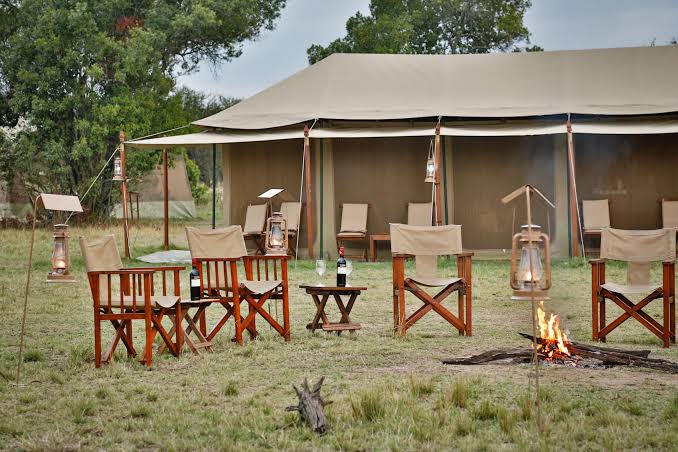
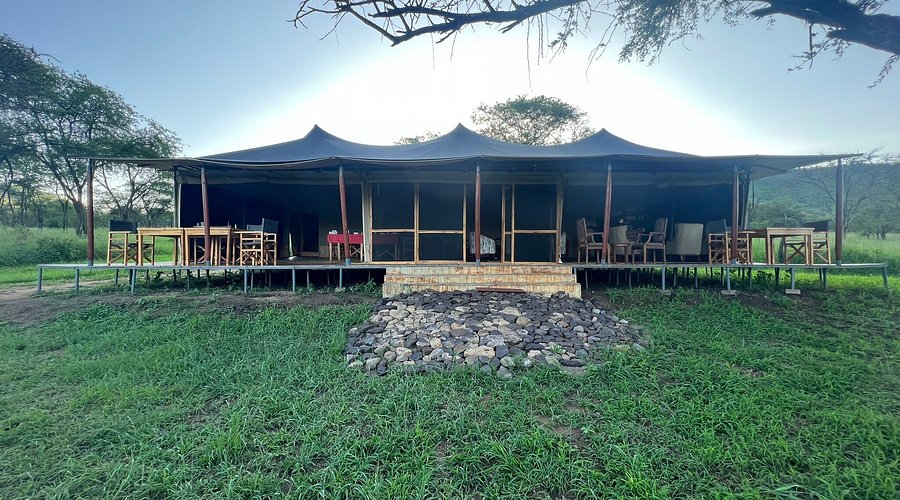
migrating animals like zebras and wildebeest give birth to their offspring. Mobile camps are fully
operating during February when the action in safaris is at its height. It’s typical to see animals
giving birth, as well as predators catching their prey.
After breakfast, your safari begins at 8:00 AM with a pickup from your hotel in Arusha before heading to the Ndutu region. The drive to Ndutu takes about six hours and covers 260 km. Approximately 3.5 hours after leaving Arusha, you will enter the Ngorongoro Conservation Area, where you will notice the landscape changing from hilly forests to expansive plains and green grasslands.
Once you reach Ndutu, you will begin a half-day game drive with a convenient stop for a picnic lunch. Sweeping grasslands cover the region and gradually fade into the Serengeti. Ndutu forms part of the route for the annual migration of over two million wildebeest, as well as thousands of zebras, antelopes, and gazelles through the Serengeti ecosystem. During game drives between December and April, you will be able to witness the Great Migration in this region. Finally, enjoy dinner at your hotel.

After breakfast, collect your lunch boxes before heading out. Today you will take time to enjoy and learn how animals survive in the wilderness during calving season, when thousands of wildebeest give birth to their young, who will be hunted by deadly predators.
Ndutu offers the best wildlife viewing during the Green season, from December to March. Ndutu lies in the southern Serengeti plains, where around 8,000 wildebeest calves are born every day; the area is mostly covered by acacia forests. Also, Ndutu is the best place to spot 6 species of cat: leopard, lion, cheetah, caracal, African wildcat and serval.

The excitement for today will be quite high as you make your way into the most celebrated wildlife park in the world, the Serengeti National Park. After a good breakfast, you'll enjoy morning game drives in Ndutu before departing for Serengeti in the late morning. Serengeti means "endless plains" in the local African language, and watching the grassland stretch as far as the eye can see, eventually merging with the sky at the horizon, is a breathtaking view. With an overall land area of 14,763 sq km, it puts our notion of distance to shame.

You can have a relaxed breakfast, depart for a full-day game drive around 9 AM with a packed lunch, and return to the lodge in the late afternoon, around 6 PM. Alternatively, you can depart at 6 AM for an early-morning game drive, return to the lodge for breakfast, relax, then depart for an afternoon game drive with a packed lunch.
Today, you will explore the central portion of Serengeti National Park. The legendary Serengeti National Park is one of the most renowned safari destinations for its incredible population of lions and leopards. The central portion of the Serengeti, known as the Seronera area, is one of the park's richest wildlife habitats.

On the last day of your safari, you will have an early start. Finishing up with a quick breakfast, you will make an early descent at around 9:30 AM into the crater floor.
The Ngorongoro Crater is the world’s largest inactive, intact and unfilled volcanic caldera. It has a massive floor of about 260 sq km with a depth of over 2,000 feet. The 5-hour game drive on the crater floor will show you a lot of animal action. Keeping the camera ready is definitely recommended. African elephants, buffalo, black rhinos, hippos, hyenas, cheetahs and lions are found in abundance.
After the picnic lunch at the beautiful hippo pool, you will begin a steep ascent to the top exit of the crater. This is the last leg of your safari, with a 4-hour drive left to Arusha. We will drop you off at your preferred location in Arusha by 6 PM. With an incredible experience and loads of memories to cherish, it's time to bid goodbye to your team.