
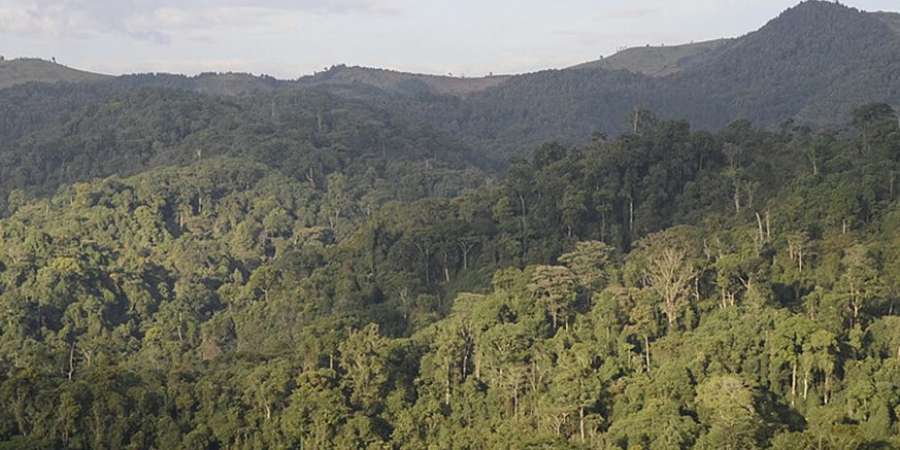
Gishwati Mukura National Park is Rwanda’s newest national park, offering a rare and intimate rainforest experience in the heart of the Albertine Rift. Formed from the restoration of the Gishwati and Mukura forests, the park is a haven for biodiversity, home to chimpanzees, golden monkeys, L’Hoest’s monkeys, and a remarkable variety of bird species, including several Albertine Rift endemics. Its lush landscapes, rolling hills, waterfalls, and scenic forest trails make it ideal for primate tracking, birdwatching, and eco-tourism adventures. Gishwati–Mukura is a powerful example of successful conservation, providing visitors with a peaceful, off-the-beaten-path destination that combines wildlife, nature, and sustainability.
Gishwati–Mukura National Park can be visited year-round, but the best time to visit is during the dry seasons from June to September and December to February. During these months, hiking trails are less muddy, wildlife is easier to spot, and conditions are ideal for forest walks, primate tracking, and birdwatching.
The wet seasons from March to May and October to November bring heavier rainfall, making trails slippery but transforming the forest into a lush, green paradise. These months also offer fewer visitors, creating a more private and immersive nature experience.
Golden Monkey Trekking – Track and observe the rare and playful golden monkeys in their natural habitat.
Chimpanzee Tracking – Experience guided treks to spot eastern chimpanzees and learn about their behavior.
Guided Forest Walks & Hiking – Explore dense montane and bamboo forests with expert guides while discovering unique flora and fauna.
Bird Watching – Spot over 120 bird species, including Albertine Rift endemics and colorful tropical birds.
Waterfalls & Scenic Views – Hike to scenic waterfalls and enjoy panoramic views of Rwanda’s forested hills.
Nature Photography – Capture the park’s pristine forest landscapes, primates, and rare wildlife.
Eco-Tourism & Community Visits – Learn about forest restoration programs and meet local communities involved in conservation initiatives.
Gishwati–Mukura National Park is one of Rwanda’s key conservation areas, located in the western part of the country. The park protects ancient montane forests, bamboo zones, and rich biodiversity, making it a vital refuge for endangered species. Gishwati–Mukura is globally recognized for its role in forest restoration, primate conservation, and eco-tourism, offering visitors a chance to experience Rwanda’s lush forest landscapes, waterfalls, and unique wildlife. The park is ideal for nature lovers, birdwatchers, and researchers interested in tropical forest ecosystems.
Eastern Chimpanzees
Golden Monkeys
Red-tailed Monkeys
Black-and-White Colobus Monkeys
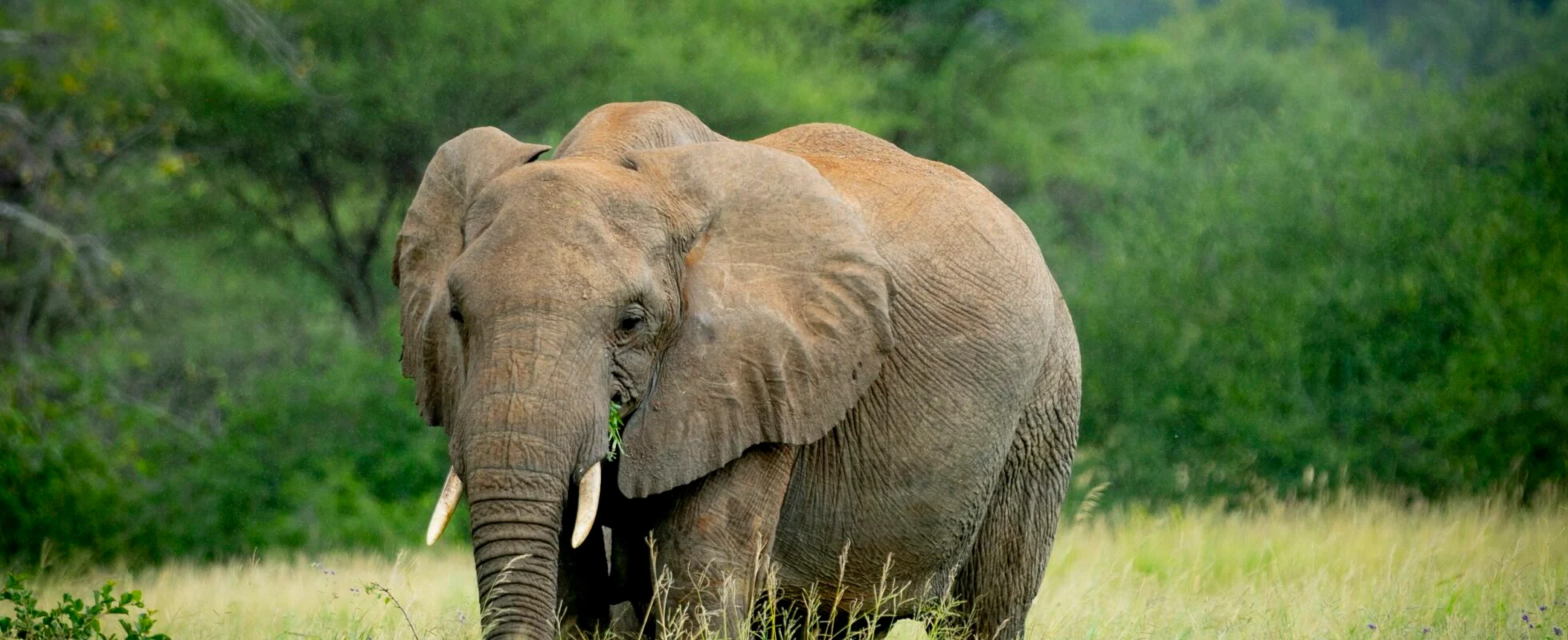
Forest Elephants (occasionally)
Duikers & Bushbucks
Over 120 Bird Species (including Albertine Rift endemics)
Rare Amphibians & Reptiles
Formed by merging Gishwati Forest and Mukura Forest to protect Rwanda’s remaining montane forests
One of the most important sites for primate conservation, including golden monkeys and chimpanzees
Features dense tropical rainforest, bamboo zones, swamps, and scenic waterfalls
Recognized for eco-tourism initiatives and community-based conservation programs
Offers hiking trails, nature walks, and birdwatching opportunities
Supports environmental research and biodiversity monitoring programs
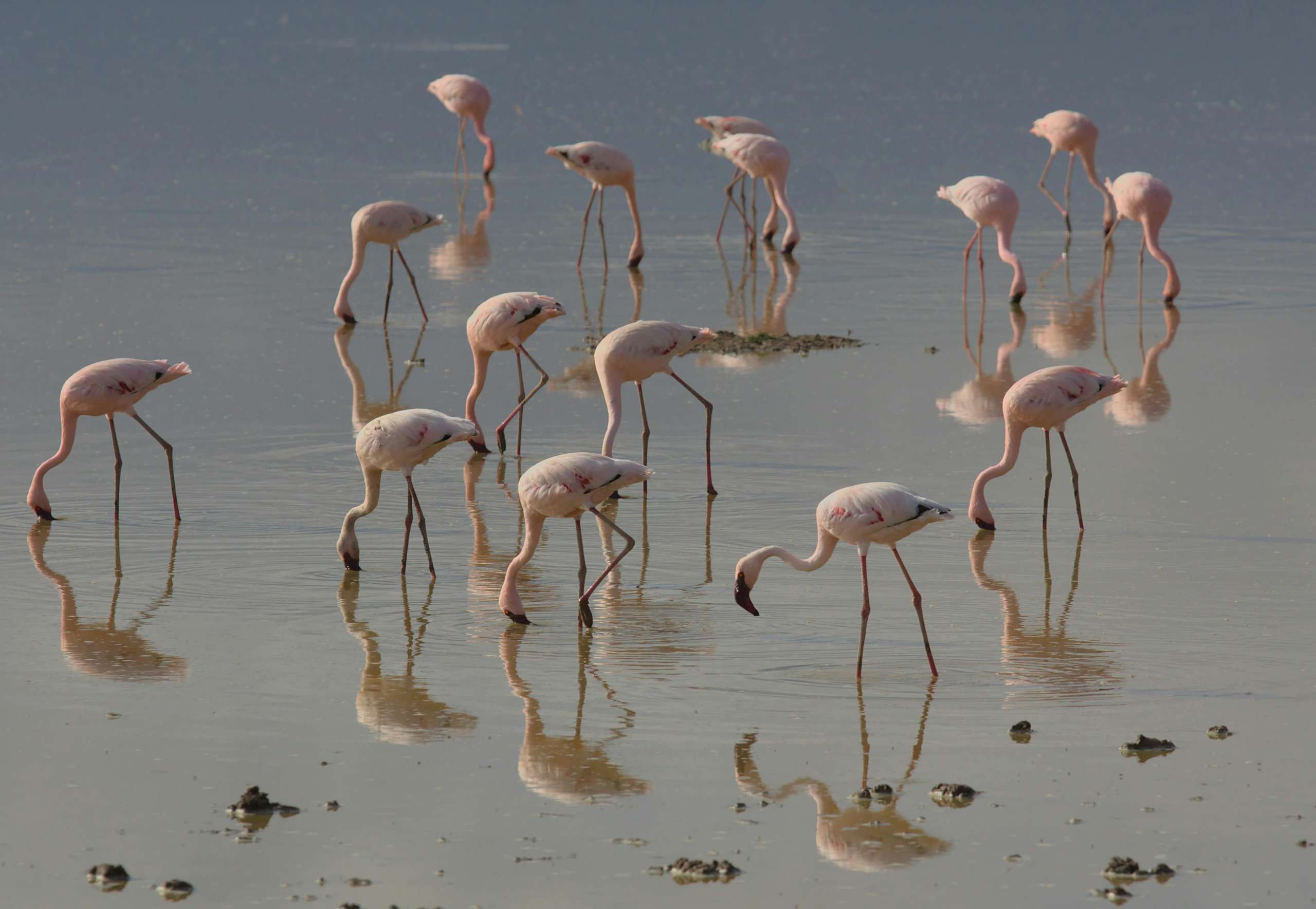
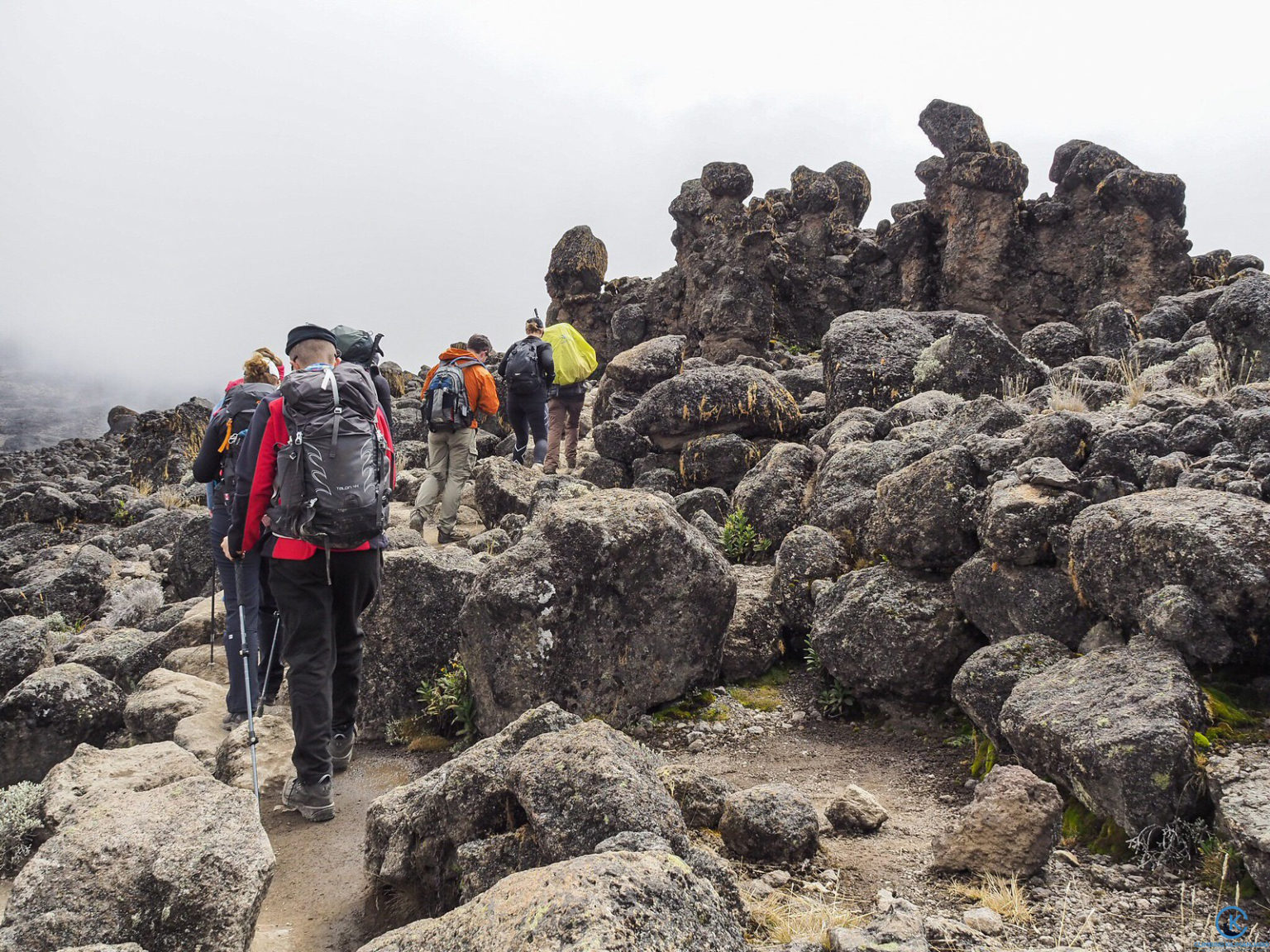
Verified Epic Kilimanjaro Climb - 7 Days via Machame Route* Climbing Mount Kilimanjaro with Rioba Safaris was a life-changing experience! Our guide,Mack and his team were incredibly supportive, making sure we stayed motivated throughout the climb. The organization was flawless—delicious meals, comfortable camping, and a well-paced itinerary. Summit night was tough, but with Mack encouragement, we made it to Uhuru Peak! If you’re planning to climb Kili, Rioba Safaris is the team you need!Verified 10-Day Safari Across Tanzania Adventure Our 10-day safari with Rioba Safaris was beyond incredible! Baraka was a fantastic guide patient, knowledgeable, and full of fascinating insights. We explored Arusha NP, Tarangire, Lake Natron, Serengeti, and Ngorongoro, each place more stunning than the last. The highlight was witnessing the Great Migration in Serengeti and the massive herds of elephants in Tarangire. Everything was seamless, from accommodation to meals. Highly recommend Rioba Safaris for a truly immersive experience!Verified Lake Natron – A Unique Adventure Lake Natron was unlike any place we’ve ever visited! Our guide, Baraka, took us to see the flamingos, and the scenery was absolutely surreal. The red-colored waters of the lake and the backdrop of Ol Doinyo Lengai volcano made for incredible photos. We also enjoyed a hike to the waterfalls, which was refreshing after the hot day. Rioba Safaris did a great job planning this off-the-beaten-path adventure!Verified Serengeti and Raha combo-7days of magic Rioba safaris organized an incredible 7-day safari covering Serengeti Ngorongoro&Raha.Guide baraka made sure we hade the best game drive and we even saw a rare black rhino!the lodges were comfortable and the trip was worth every penny.Verified Safaris Amazing Rioba Safaris arranged a private safari for us, including a night game drive in Tarangire and a walking safari in Ngorongoro Conservation Area. Erick our guide, was excellent at spotting nocturnal animals like leopards and hyenas. The walking safari was equally thrilling—being on foot with Maasai guides was an unforgettable experience. If you want a mix of traditional and unique safaris, Rioba Safaris has great options!Verified An Incredible Six-Day Safari with a Remarkable Guide! Alex was our guide for the six-day safari, and he was awesome! His ability to to spot wildlife from a distance was impressive, and his passion for nature was infectious. The accommodations were comfortable, and the food was delicious. Rioba Safaris truly exceeded our expectations with their impeccable service and well-organized itinerary!Verified great but for one thing We did a 9-day Southern Circuit safari to Nyerere, Mikumi, Udzungwa Mountain, and Ruaha National Parks. The parks were great, the lodging ranged from as-expected to exceptional, and our guide Ibrahim was informative and helpful and resourceful when problems arose.But problems did arise. Avoidable problems. Problems relating to the safari vehicle. It was at least 20 years old. There was a big crack in the windshield. Getting out required reaching through the open window to the outside handle because the inside ones didn't work. We wrote all that off as rusticated charm.But then the vehicle broke down on the side of a remote dirt road, and we were stuck for about an hour until Ibra could recruit an eventual passerby to help jerry-rig a solution to get us to our next stop. This happened on two separate occasions. That's unacceptable.But as long as you're not in the Land Cruiser with a license plate ending in 534, I definitely recommend the company.Verified Beautiful Memories Safari Africa I had an unforgettable experience on the 5-day luxury safari in Tanzania with Rioba Safari. Everything was perfect from start to finish. Our safari guide, Gody, was exceptional. He was incredibly experienced, knowledgeable, and always had a great attitude. His expertise made the safari even more memorable, as he knew exactly where to take us to see the wildlife and shared fascinating insights along the way. The accommodations were luxurious, and the overall service was top-notch. Highly recommend Rioba Safari for anyone looking for a premium safari experience!Verified Meraviglioso Safari ❤️ We had a wonderful safari! Our guide was very attentive... showed us a lot of animals... he was nice and prepared! Thank you for the wonderful experience ❤️Verified I highly recommend RIOBA safari RIOBA was very nice and patient with me he was there to listen and meet all my needs from the planing and he made sure I got the accommodation i wanted, and our safari was very well organized, We are so happy we decided to do it . We are Tanzania we never imagine the experience will be this Amazing. We feel like we were missing out on the Safari experience. Our guide Eric was very knowledgeable and very attentive. My Aunt hurt her leg and he was so thoughtful and always there to help her and make things easy for her .He made our trip so memorable . Thank you for the Amazing experience we will be back again !Tripadvisor rating score: 5.0 of 5, based on 83 reviews
With award winning services we are trusted many companies..





Welcome to Rioba Safaris, where adventure meets authenticity! Based in Tanzania, we are a premier Tour Operator specializing in tailor-made safaris, cultural experiences, and breathtaking adventures across Tanzania and East Africa.
Plan Your Safari Adventure with Rioba Safaris