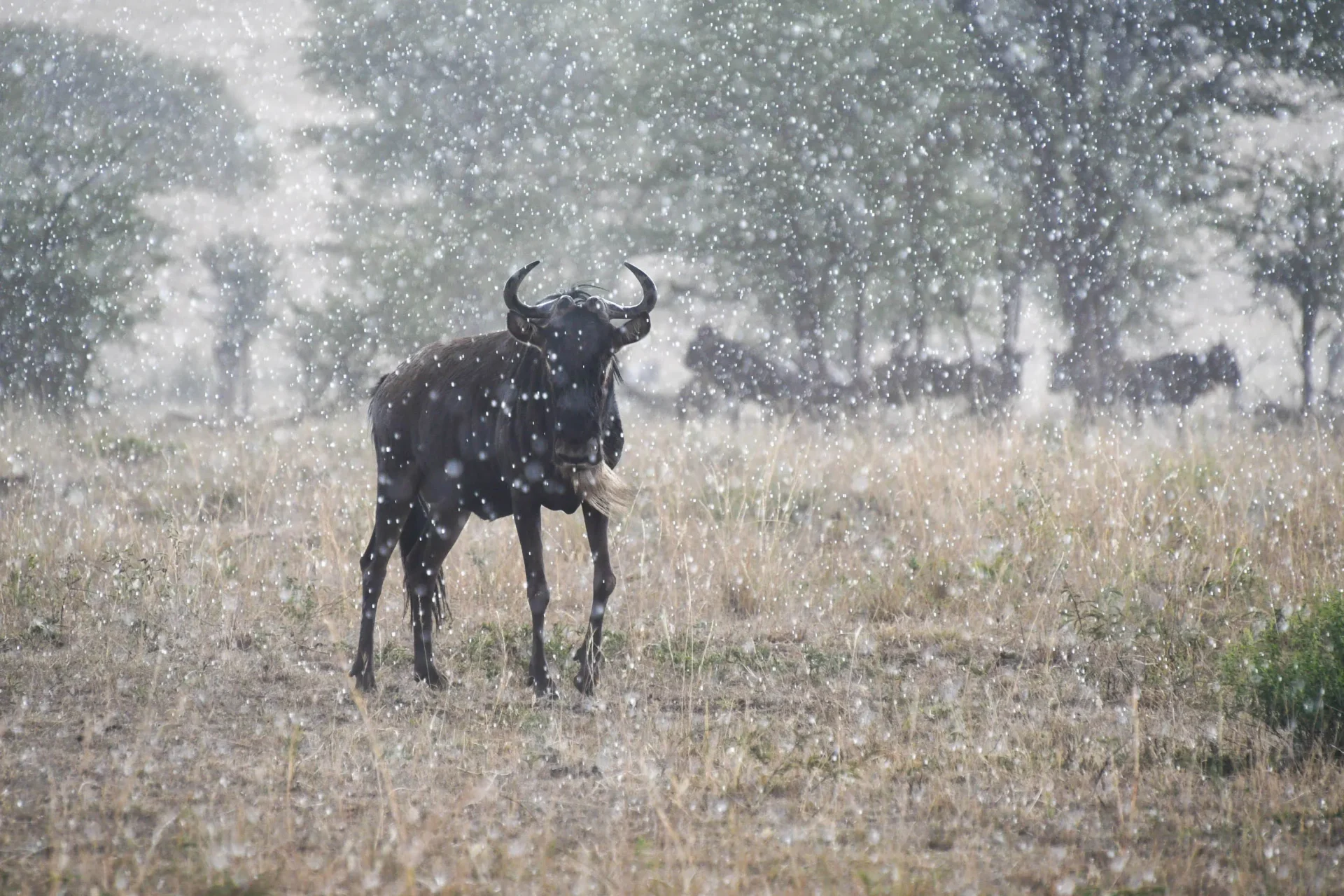


When Is the Wildebeest Calving Season in Tanzania?
Outlines
When Is the Wildebeest Calving Season in Tanzania?
Discover the best time to experience the Great Wildebeest Calving Season in Tanzania, one of the most exciting wildlife experiences in the Serengeti. The calving season generally takes place from January to March, with the southern Serengeti and Ndutu area becoming the main focus as thousands of wildebeest gather to give birth.
Each month offers a different safari experience. January is an excellent time to see the herds arriving and settling into the calving areas, while February is often considered the heart of the calving season, when large numbers of wildebeest give birth and predators such as lions, cheetahs and hyenas become highly active. By March, the newborn calves are becoming stronger and the herds begin preparing for their next movement, while the landscape can remain beautifully green after the rains.
But when exactly should you visit? Is February really the best month for calving? What can you expect in January or March? Where is the best place to stay? How many days should you spend in the Serengeti? What wildlife can you see besides wildebeest? This guide answers these important questions and helps you choose the right time and safari experience for your trip.
What to Expect Each Month
January – The Calving Season Begins
January can be a wonderful time to visit as the wildebeest herds gather across the southern Serengeti and Ndutu ecosystem. The green landscape, growing herds and increasing wildlife activity create excellent conditions for game drives and photography. It is also a good period for travelers who want to experience the beginning of the calving season while enjoying fewer crowds in some areas.
February – The Heart of the Calving Season
February is typically the most intense period of the calving season, with many wildebeest giving birth across the short-grass plains. Seeing newborn calves taking their first steps is an unforgettable experience, but the abundance of young animals also attracts predators. Lions, cheetahs, hyenas and other predators become particularly active, creating exceptional opportunities for wildlife viewing and photography.
March – Newborns Grow and the Herds Prepare to Move
March can still offer excellent calving-season experiences, especially early in the month. The newborn calves are becoming stronger and more active, while the herds continue moving through the southern Serengeti and surrounding areas. The green scenery and combination of plains, wildlife and changing herd movements make March an interesting time for a Serengeti safari.
Why Choose Tanzania's Calving Season?
The calving season is about much more than watching wildebeest being born. It is a complete wildlife experience, with huge herds, newborn animals, dramatic predator encounters, beautiful green landscapes and excellent opportunities for photography. For travelers who want to see the Serengeti at one of its most dynamic times of year, this season offers an unforgettable safari experience.
Whether you are planning your first Tanzania safari, a family holiday, a photography safari, a romantic getaway or a private wildlife adventure, choosing the right month can make a big difference to your experience.
Ready to witness the Great Wildebeest Calving Season for yourself? Rioba Safaris can help you plan your Tanzania safari around the calving season, with carefully planned itineraries, experienced safari guides and accommodation selected to suit your travel style. Explore the Serengeti, experience the excitement of the newborn wildebeest and create memories that will stay with you long after your safari ends.